
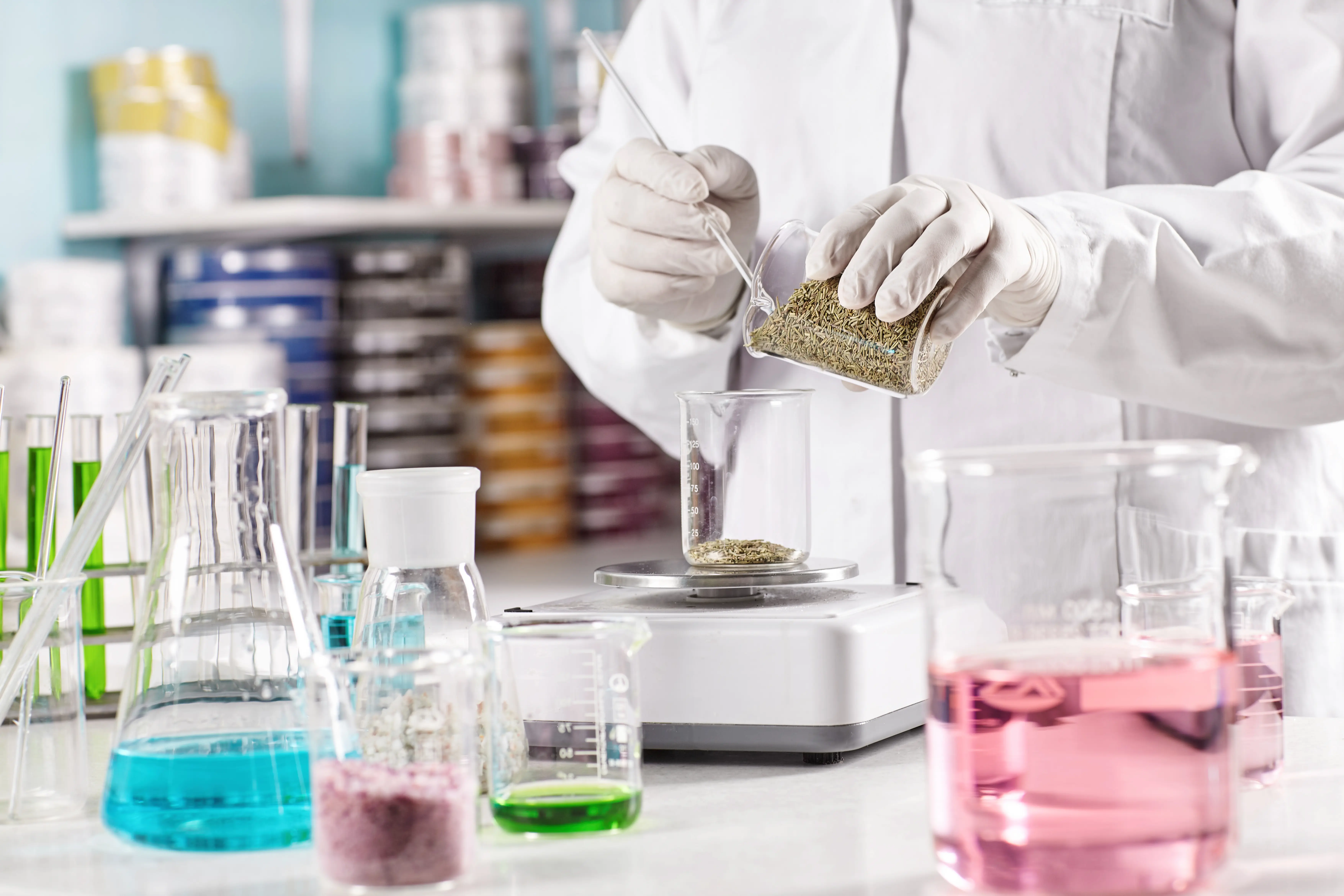
Food additives are substances added to food in order to modify its sensory properties, such as taste, smell, texture, and appearance. They are also used to maintain freshness, and prevent spoilage.
Many different food additives have been developed over time to meet the needs of large-scale food processing. They can derive from plants, animals or minerals, or can be chemically synthesised. We can group these additives into 3 broad categories based on their function:
- Preservatives & stabilisers
Keep food fresh for longer and help maintain texture over time (extend shelf life) - Sensory modifiers
Change how food tastes, smells, feels, or looks (taste, smell, texture, appearance) - Processing aids & functional ingredients
Improve how food behaves during production and storage (enhance consistency)
While thousands of these substances have been rigorously evaluated and approved, there are still concerns on their potentially harmful effect on our health. These range from allergic reactions and hyperactivity in children to chronic diseases such as cancer, so researchers continue to reassess how safe these additives truly are.
This blog series will offer a clear, balanced overview of the debate surrounding additives, examining the evidence for their health effects and offering strategies to reduce or avoid them when you choose. By understanding how additives are regulated, why they are used, and what current research says about them, you will be better equipped to assess their risks and benefits and to navigate today's highly processed food environment. Stay curious, stay nourished, and stay safe!
If you are interested in further reading, the following books have informed my research and may prove helpful as you try to better understand food additives:
- Salt Sugar Fat: How the Food Giants Hooked Us
- Ultra-Processed People: The Science Behind Food That Isn't Food
Related articles:
By Hana Starace, Certified Shiatsu & Nutritional Practitioner